Hemicolectomy Surgery in Solapur

Advanced Colon Cancer Surgery by Dr. Praveenkumar Surpur
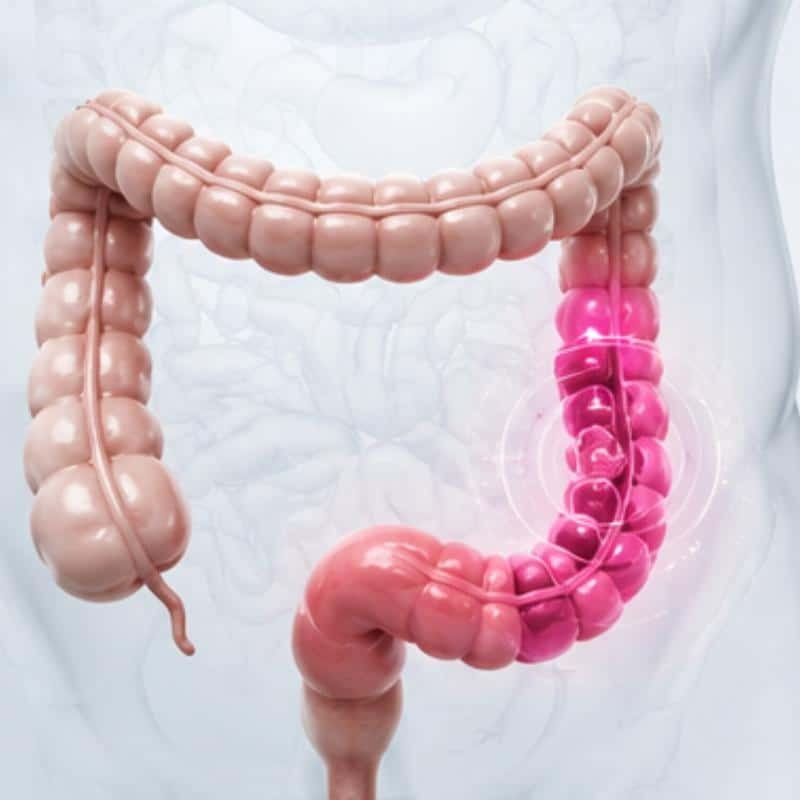
Have you been diagnosed with colon cancer, a large bowel tumor, or a condition requiring surgical removal of part of the colon?

Dr. Praveenkumar Surpur, Consultant Surgical Oncologist at Yashodhara Super Speciality Hospital, Solapur, performs Hemicolectomy Surgery using modern cancer surgery techniques aimed at complete tumor removal, preservation of bowel function, and improved long-term outcomes.

With specialized training in Gastrointestinal and Colorectal Oncology, Dr. Surpur provides personalized surgical care based on the location, stage, and extent of disease.


What is Hemicolectomy?

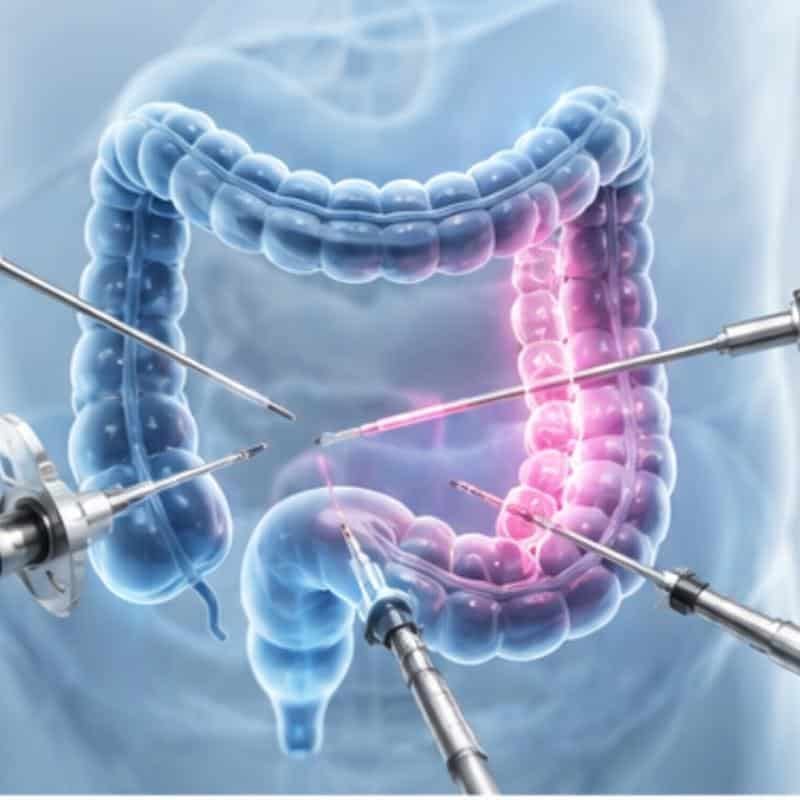
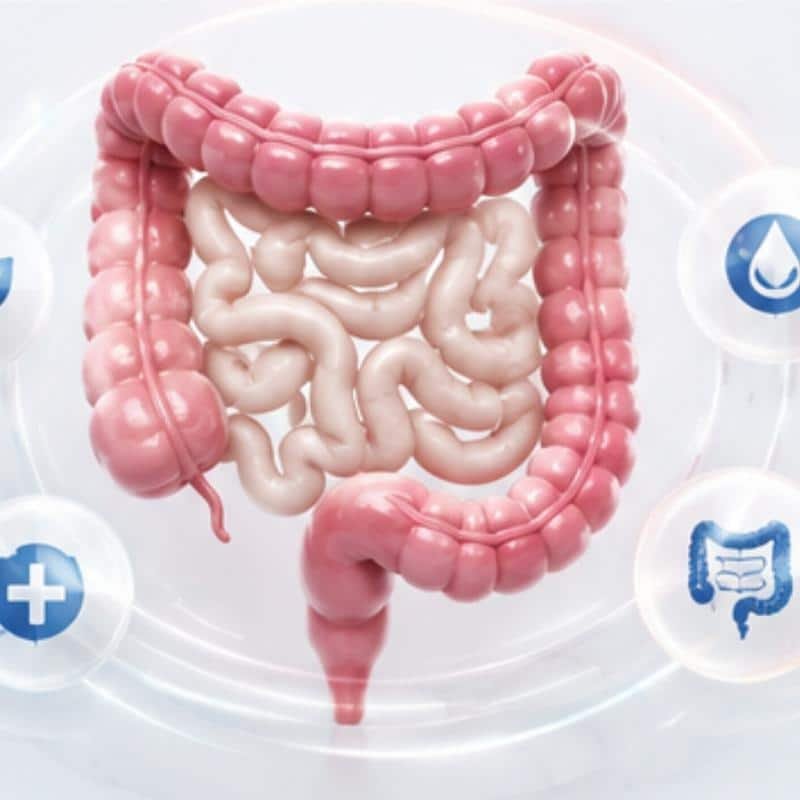
Hemicolectomy is a surgical procedure in which a portion of the large intestine (colon) is removed.

The surgery is commonly performed for:

  • Colon cancer
  • Large precancerous polyps
  • Certain benign tumors
  • Selected inflammatory bowel diseases
  • Bowel obstruction caused by tumors

After removing the affected section, the healthy ends of the intestine are reconnected to restore normal bowel function whenever possible.

  • Why is Hemicolectomy Performed?

The primary goal of Hemicolectomy is to:

  • Remove cancer completely
  • Prevent cancer spread
  • Eliminate bowel obstruction
  • Improve long-term survival
  • Preserve bowel function

For many patients with colon cancer, Hemicolectomy offers the best chance for cure.


Conditions Treated with Hemicolectomy

Dr. Praveenkumar Surpur performs Hemicolectomy for:

Colon Cancer

The most common indication for surgery.

Large Colon Polyps

Polyps that cannot be removed safely through colonoscopy.

Precancerous Colon Lesions

Lesions with high risk of developing into cancer.

Benign Colon Tumors

Non-cancerous growths causing symptoms or complications.

Selected Cases of Inflammatory Bowel Disease

When medical treatment is ineffective.

Bowel Obstruction

Tumors causing blockage of the large intestine.

Types of Hemicolectomy

Right Hemicolectomy

Removal of the right side of the colon.

Typically performed for tumors involving:

  • Cecum
  • Ascending Colon
  • Hepatic Flexure

Benefits

  • Complete cancer removal
  • Accurate lymph node assessment
  • Restoration of bowel continuity


Left Hemicolectomy

Removal of the left side of the colon.

Typically performed for tumors involving:

  • Descending Colon
  • Splenic Flexure

Benefits

  • Effective cancer treatment
  • Preservation of healthy bowel
  • Improved long-term outcomes


Extended Hemicolectomy

Performed when tumors involve larger portions of the colon requiring wider surgical removal.

  • Symptoms That May Require Evaluation

Patients should seek medical evaluation if they experience:

  • Blood in stools
  • Persistent constipation
  • Persistent diarrhea
  • Change in bowel habits
  • Abdominal pain
  • Bloating
  • Unexplained weight loss
  • Anemia
  • Fatigue

These symptoms do not always indicate cancer but should never be ignored.


Diagnosis Before Hemicolectomy

Accurate diagnosis and staging help determine the most appropriate treatment plan.

Dr. Surpur performs:

Clinical Examination

Detailed evaluation of symptoms and medical history.

Colonoscopy

Direct visualization of the colon.

Biopsy

Confirmation of diagnosis through tissue sampling.

CT Scan

Assessment of tumor size and spread.

PET CT Scan

Used in selected advanced cases.

Blood Tests

Evaluation of overall health and nutritional status.

Cancer Staging Workup

Determines whether surgery is the best treatment option.

How is Hemicolectomy Performed?

The procedure is performed under general anesthesia.

Step 1: Identification of Diseased Colon Segment

The affected section of the colon is identified.

Step 2: Removal of Tumor

The cancerous segment and surrounding tissues are removed.

Step 3: Lymph Node Dissection

Nearby lymph nodes are removed for staging and treatment planning.

Step 4: Bowel Reconstruction

The healthy ends of the intestine are reconnected.

Step 5: Pathology Evaluation

The removed tissue is examined to assess tumor stage and margins.

Lymph Node Removal During Hemicolectomy

Lymph node dissection is an important part of cancer surgery.

Benefits include:

  • Accurate cancer staging
  • Improved treatment planning
  • Better assessment of cancer spread
  • Guidance regarding chemotherapy

Minimally Invasive Hemicolectomy

Selected patients may benefit from:

Laparoscopic Hemicolectomy

A minimally invasive technique performed through small incisions.

Advantages

  • Less pain
  • Smaller scars
  • Faster recovery
  • Reduced blood loss
  • Shorter hospital stay
  • Earlier return to daily activities

Dr. Surpur carefully evaluates each patient to determine suitability.

  • Recovery After Hemicolectomy

Recovery depends on the extent of surgery and overall health.

Most patients can expect:

  • Hospital stay of 4–7 days
  • Gradual progression of diet
  • Early walking after surgery
  • Follow-up appointments
  • Recovery over several weeks

Most patients can resume routine activities within a few weeks.


Possible Risks and Complications

As with any major surgery, possible complications include:

  • Bleeding
  • Infection
  • Leakage from bowel connections
  • Blood clots
  • Bowel obstruction
  • Temporary digestive changes

Dr. Surpur uses advanced surgical techniques and careful monitoring to minimize these risks.

Will I Need Chemotherapy After Hemicolectomy?

Some patients may require additional treatment depending on pathology results.

Treatment may include:

Adjuvant Chemotherapy

To reduce recurrence risk.

Targeted Therapy

For selected advanced cancers.

Immunotherapy

Used in specific tumor subtypes.

Long-Term Surveillance

Regular follow-up to detect recurrence early.

Life After Hemicolectomy

Most patients recover well and return to normal activities.

Patients may experience:

  • Temporary bowel habit changes
  • Increased bowel frequency
  • Dietary adjustments

These usually improve over time.

Dr. Surpur provides long-term follow-up and support throughout recovery.

  • Why Choose Dr. Praveenkumar Surpur for Hemicolectomy Surgery?
Specialized Surgical Oncology Training
Advanced expertise in colon and gastrointestinal cancer surgery.
Evidence-Based Treatment
Following internationally accepted NCCN guidelines.
Advanced Surgical Techniques
Including minimally invasive laparoscopic procedures.
Comprehensive Cancer Care
From diagnosis through surgery and follow-up.
Multidisciplinary Treatment Planning
Collaboration with oncologists, radiologists, pathologists, and gastroenterologists.
Personalized Patient Care
Customized treatment plans based on individual needs.
  • Importance of Early Diagnosis

When colon cancer is detected early:

  • Surgery is more effective
  • Cure rates are higher
  • Less extensive treatment may be needed
  • Recovery outcomes improve

Do not ignore blood in stool or persistent bowel changes.

Frequently Asked Questions

Hemicolectomy is the surgical removal of a portion of the large intestine affected by cancer or other diseases.

Yes, it is a major abdominal surgery, but modern techniques help improve safety and recovery.

For many patients with localized colon cancer, Hemicolectomy offers the best chance for cure.

Most patients recover over several weeks, although recovery varies depending on the individual.

Most Hemicolectomy procedures do not require a permanent colostomy.

Yes. Many suitable patients can benefit from minimally invasive laparoscopic Hemicolectomy.

Disclaimer: Results and patient experiences may vary. These are dependent on a number of factors including age, medical history, lifestyle and more.

Consult Dr. Praveenkumar Surpur – Hemicolectomy Surgeon in Solapur

If you have been diagnosed with colon cancer or have symptoms requiring evaluation, schedule a consultation today.

Yashodhara Super Speciality Hospital, Solapur

Call Now to Book Your Appointment

Expert Colon Cancer Surgery • Advanced Treatment • Better Outcomes
Untitled design - 2026-06-19T112116.307
Breast Cancer Surgery
Advanced surgical treatment for breast cancer focused on effective tumor removal, improved outcomes, and personalized patient care.

Untitled design - 2026-06-19T112857.795
Breast Conservation Surgery (BCS)
A breast-preserving surgical procedure that removes the cancer while maintaining the natural appearance of the breast whenever possible.

Untitled design - 2026-06-19T154100.190
Modified Radical Mastectomy
A surgical procedure that removes the entire breast along with nearby lymph nodes to effectively treat and control breast cancer.

Untitled design - 2026-06-20T150257.108
Sentinel Lymph Node Biopsy
A minimally invasive procedure used to determine whether cancer has spread to the nearest lymph nodes, helping guide accurate treatment decisions.

Untitled design - 2026-06-20T163004.814
Oncoplastic Breast Surgery
An advanced breast cancer surgery that combines effective tumor removal with cosmetic reconstruction to preserve the breast’s natural shape and appearance.
Untitled design - 2026-06-21T084155.500
Spondylolisthesis Management
Comprehensive treatment for spinal vertebral slippage focused on relieving pain, improving stability, and restoring mobility.

Untitled design - 2026-06-21T095008.617
Colon Cancer Surgery
Advanced surgical treatment for colon cancer focused on removing cancerous tissue, preserving bowel function, and improving long-term outcomes.

Untitled design - 2026-06-21T121441.419
Rectal Cancer Surgery
Advanced surgical treatment for rectal cancer focused on complete tumor removal, preserving bowel function, and improving long-term patient outcomes.

Untitled design - 2026-06-21T142850.489
Hemicolectomy Surgery
A specialized surgical procedure that removes the cancer-affected portion of the colon while preserving healthy bowel function and digestive continuity.

Untitled design - 2026-06-22T064916.511
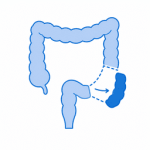
Total Colectomy
A major surgical procedure that removes the entire colon to treat advanced colorectal diseases while restoring digestive function as effectively as possible.
Untitled design - 2026-06-22T134735.924
Anterior Resection for Rectal Cancer
A specialized surgical procedure to remove cancerous tissue from the rectum while preserving normal bowel function whenever possible.
Untitled design - 2026-06-22T164503.940
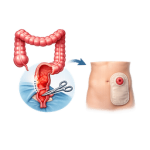
Abdominoperineal Resection (APR)
A surgical procedure that removes the rectum and anus to treat advanced rectal cancer, creating a permanent colostomy for waste elimination.

Untitled design - 2026-06-22T183133.399
Cytoreductive Surgery (CRS) with HIPEC
An advanced cancer treatment that removes visible tumors and uses heated chemotherapy inside the abdomen to destroy remaining cancer cells.

Untitled design - 2026-06-23T062359.469
Pancreatic Cancer Surgery (Whipple Procedure)
A complex surgical procedure that removes cancer from the pancreas along with nearby affected organs to improve treatment outcomes and survival.

Untitled design - 2026-06-23T072935.494
Oral Cancer Surgery
A specialized surgical procedure to remove cancerous tissue from the mouth while preserving essential functions such as speech, swallowing, and appearance whenever possible.
Untitled design - 2026-06-23T112839.674
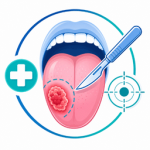
Tongue Cancer Surgery
A specialized surgical procedure to remove cancerous tissue from the tongue while preserving speech, swallowing, and oral function whenever possible.

Untitled design - 2026-06-24T084135.122
Head and Neck Cancer Surgery
A specialized surgical procedure to remove cancerous tumors from the head and neck region while preserving vital functions such as speaking, swallowing, breathing, and appearance whenever possible.

ChatGPT Image Jun 24, 2026, 12_20_29 PM
Neck Dissection Surgery
A specialized surgical procedure to remove cancer-affected lymph nodes in the neck and help prevent the spread of head and neck cancers.

Untitled design - 2026-06-24T110212.801
Thyroid Cancer Surgery
A specialized surgical procedure to remove cancerous thyroid tissue and help prevent the spread of thyroid cancer while preserving essential neck functions whenever possible.

Untitled design - 2026-06-24T113022.756
Cervical Cancer Surgery
A specialized surgical procedure to remove cancerous tissue from the cervix and surrounding affected areas while preserving reproductive and pelvic functions whenever possible.

Untitled design - 2026-06-24T123139.563
Radical Hysterectomy
A specialized surgical procedure that removes the uterus, cervix, and surrounding tissues to treat cervical cancer and other advanced gynecologic cancers.

Untitled design - 2026-06-24T141140.892
Ovarian Cancer Surgery
A specialized surgical procedure to remove cancerous ovarian tissue and affected areas, helping prevent the spread of cancer and improve treatment outcomes.

Untitled design - 2026-06-24T151733.429
Endometrial (Uterine) Cancer Surgery
A specialized surgical procedure to remove cancerous tissue from the uterus and surrounding affected areas, helping prevent the spread of cancer and improve long-term outcomes.

Untitled design - 2026-06-24T222857.236
Kidney Cancer Surgery
A specialized surgical procedure to remove cancerous kidney tissue while preserving as much healthy kidney function as possible and preventing the spread of cancer.

Untitled design - 2026-06-25T070305.701
Bladder Cancer Surgery
A specialized surgical procedure to remove cancerous tissue from the bladder while preserving urinary function whenever possible and preventing the spread of cancer.

Untitled design - 2026-06-25T080853.051
Radical Cystectomy
A major surgical procedure that removes the urinary bladder and nearby affected tissues to treat advanced bladder cancer and prevent its spread.

Untitled design - 2026-06-25T114331.263
Prostate Cancer Surgery
A specialized surgical procedure to remove cancerous prostate tissue, helping eliminate cancer while preserving urinary and sexual function whenever possible.

Untitled design - 2026-06-25T140723.343
Lung Cancer Surgery
A specialized surgical procedure to remove cancerous kidney tissue while preserving as much healthy kidney function as possible and preventing the spread of cancer.

Untitled design - 2026-06-26T115657.265
Thoracic Tumor Surgery
A specialized surgical procedure to remove tumors from the chest cavity while preserving healthy organs and improving long-term treatment outcomes.

Untitled design - 2026-06-26T160713.147
Soft Tissue Sarcoma Surgery
A specialized surgical procedure to remove soft tissue sarcomas while preserving healthy muscles, nerves, and surrounding structures whenever possible.
Untitled design - 2026-06-27T081202.599
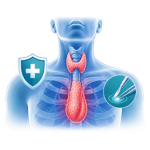
Retrosternal Goiter Surgery
A specialized surgical procedure to remove an enlarged thyroid gland extending into the chest, relieving pressure on the airway and surrounding structures.

Untitled design - 2026-06-27T082443.232
Laparoscopic Cancer Surgery
A minimally invasive surgical procedure that removes cancerous tissue through small incisions, promoting faster recovery, less pain, and reduced scarring.

Untitled design - 2026-06-27T084914.085
Cancer Biopsy Services
Advanced diagnostic procedures to collect and analyze tissue samples for the accurate detection, diagnosis, and treatment planning of cancer.

Untitled design - 2026-06-27T091112.704
Cancer Staging & Treatment Planning
A comprehensive evaluation process that determines the extent of cancer and develops a personalized treatment plan for the best possible outcomes.

Untitled design - 2026-06-27T093222.518
ChemoPort insertion
A minimally invasive procedure to implant a small vascular access port for the safe and comfortable delivery of chemotherapy and other intravenous treatments.

Untitled design - 2026-06-27T100113.837
Multidisciplinary cancer care
A collaborative approach where specialists from multiple medical disciplines work together to create a personalized and comprehensive cancer treatment plan.

Untitled design - 2026-06-27T102237.579
Chemotherapy
A systemic cancer treatment that uses powerful anti-cancer medications to destroy cancer cells, slow their growth, and reduce the risk of spread throughout the body.

Untitled design - 2026-06-27T104918.652
Targeted therapy and immunotherapy
Advanced cancer treatments that precisely target cancer cells or strengthen the body's immune system to fight cancer while minimizing damage to healthy tissues.