ChemoPort Insertion in Solapur

Safe and Comfortable Long-Term Venous Access for Cancer Treatment
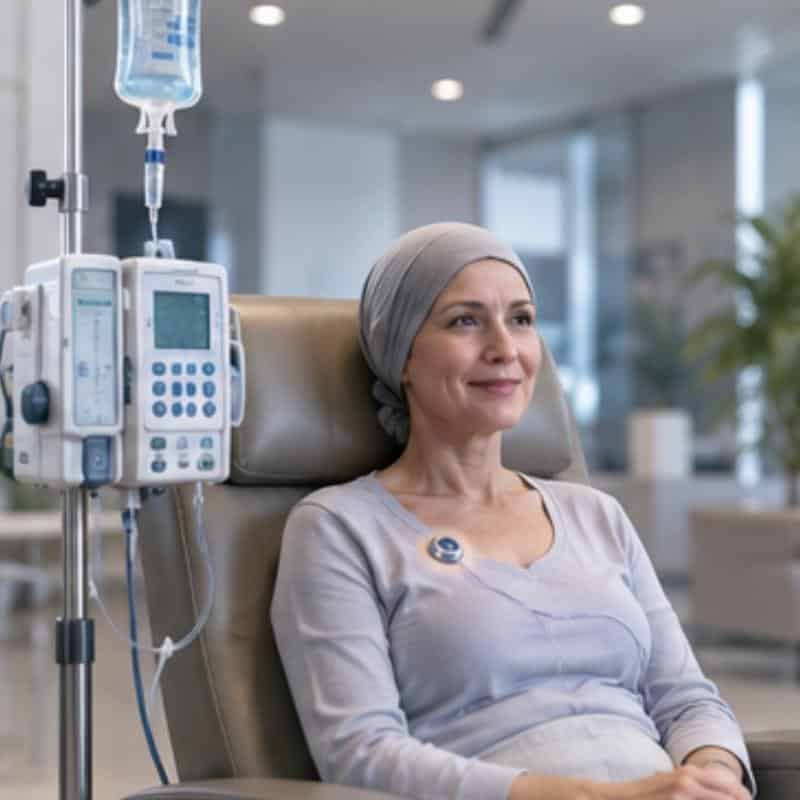
Many cancer patients require repeated intravenous treatments such as chemotherapy, targeted therapy, immunotherapy, blood transfusions, nutritional support, and frequent blood tests. Repeated needle pricks can become painful and may damage peripheral veins over time.

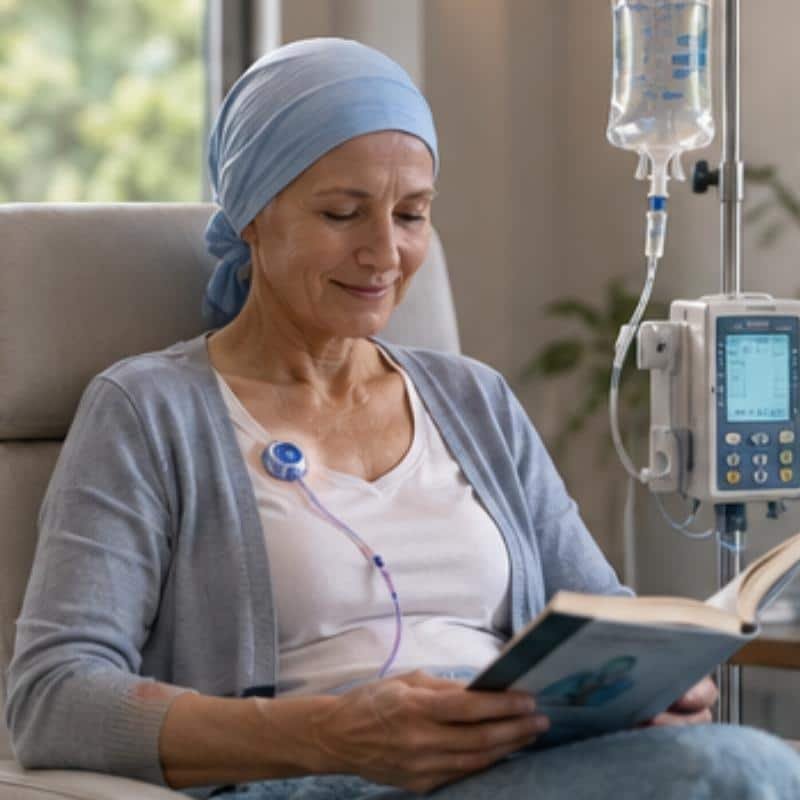
A ChemoPort provides a safe, reliable, and comfortable solution for long-term intravenous access. It allows medications to be administered directly into a large vein without repeated needle punctures in the arms.

Dr. Praveenkumar Surpur offers expert ChemoPort Insertion in Solapur at Yashodhara Super Speciality Hospital, helping cancer patients receive treatment more comfortably and efficiently.

What is a ChemoPort?

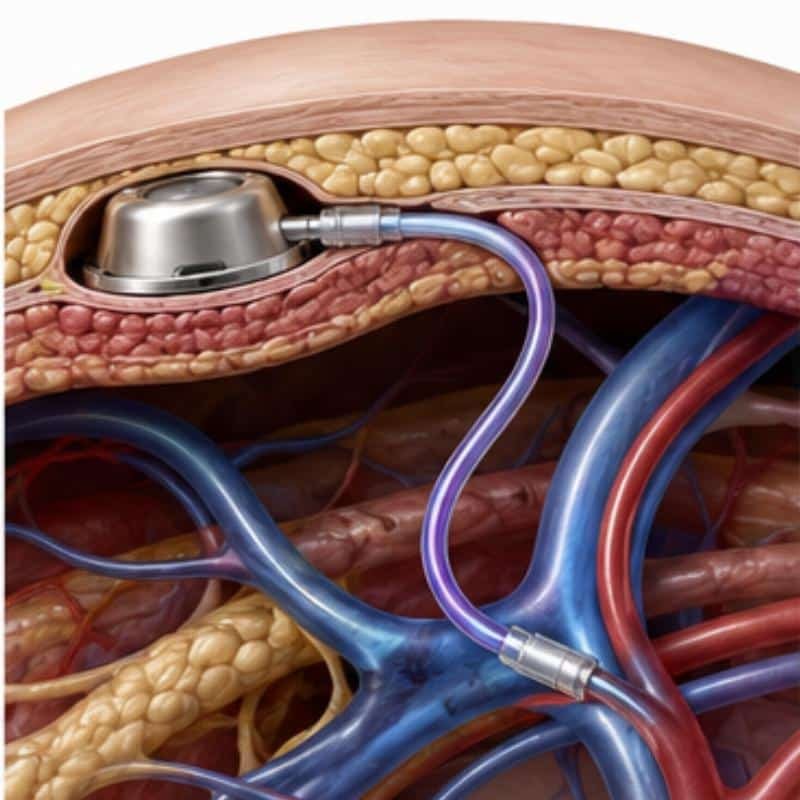
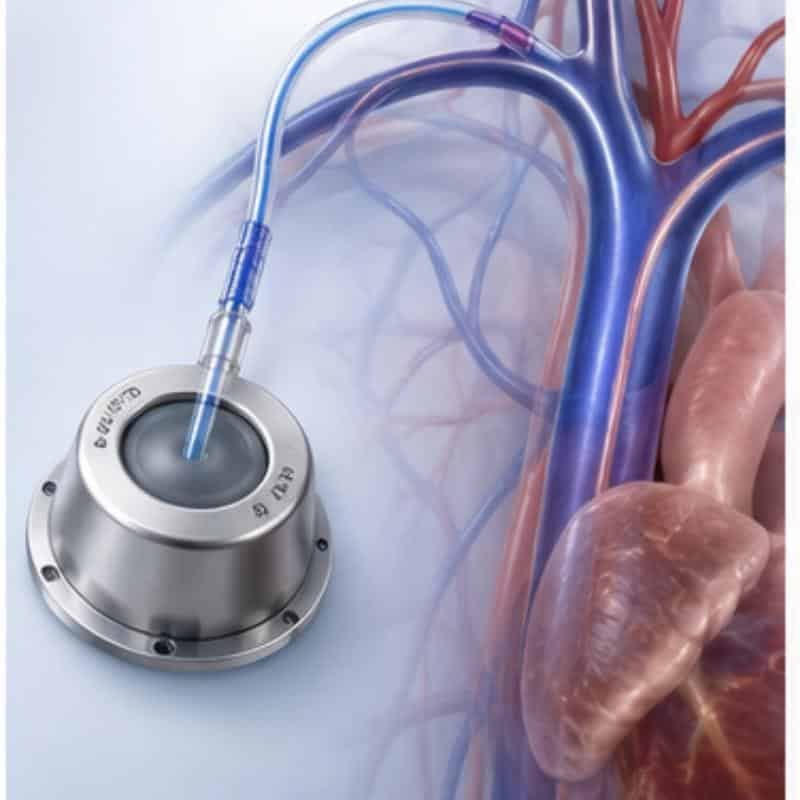
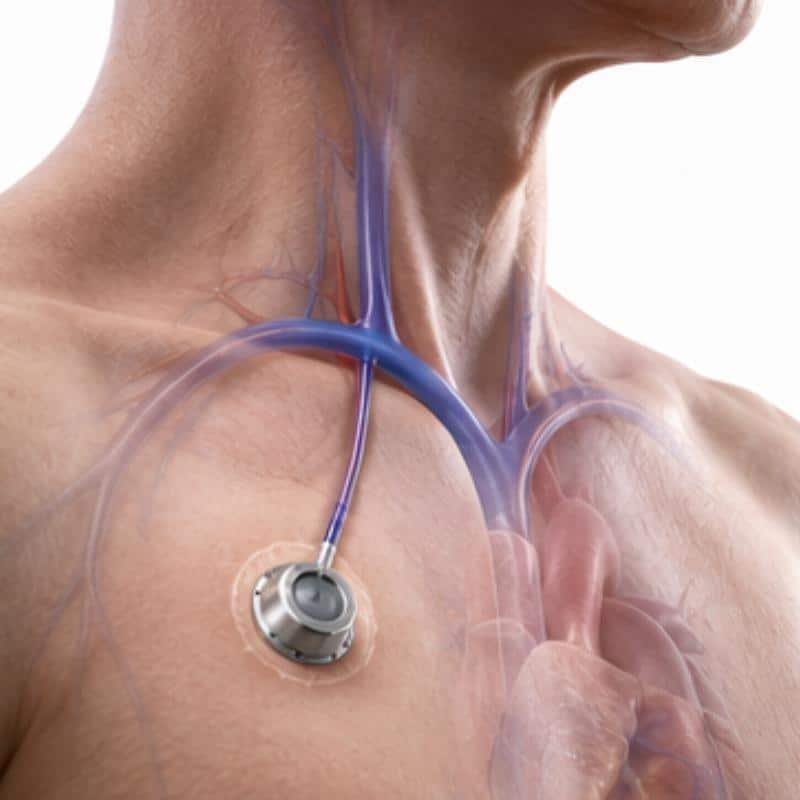
A ChemoPort, also called an Implantable Venous Access Port or Port-A-Cath, is a small medical device placed beneath the skin and connected to a large vein through a thin catheter.

The device consists of:

Port Chamber

A small titanium or plastic reservoir placed under the skin.

Catheter

A thin flexible tube connected to a major vein leading to the heart.

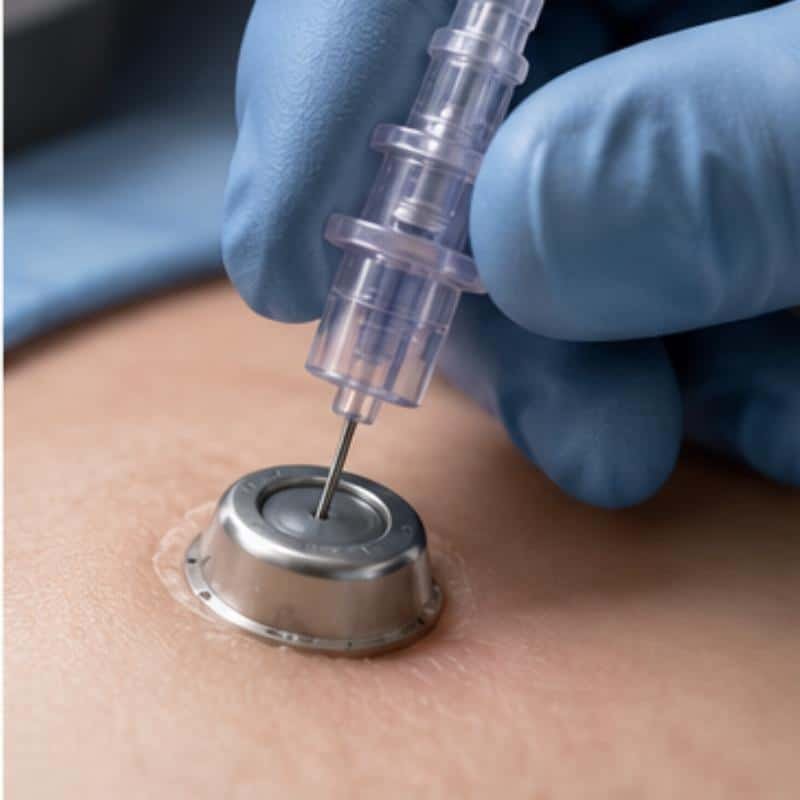
Once implanted, medications can be administered directly through the port.


The device remains completely under the skin and is not visible except for a small raised area.

 
  • Why is a ChemoPort Needed?

Many chemotherapy drugs can irritate or damage small veins.

Repeated intravenous access may lead to:

  • Painful needle pricks
  • Vein damage
  • Difficult IV access
  • Treatment delays
  • Vein inflammation
  • Extravasation injuries

A ChemoPort helps overcome these challenges.


Who May Benefit from a ChemoPort?

ChemoPorts are commonly recommended for patients requiring:

Chemotherapy

Repeated chemotherapy cycles over several months.

Targeted Therapy

Long-term cancer treatments delivered intravenously.

Immunotherapy

Regular administration of immune-based cancer medications.

Blood Transfusions

Patients requiring multiple transfusions.

Frequent Blood Sampling

Repeated laboratory monitoring during treatment.

Long-Term Intravenous Therapy

Extended medical treatments requiring reliable venous access.

Advantages of ChemoPort Insertion

A ChemoPort offers numerous benefits for cancer patients.

Reduced Needle Pricks

Avoids repeated cannulation of arm veins.


Improved Comfort

Makes treatment sessions more comfortable.


Protects Peripheral Veins

Preserves arm veins from damage caused by chemotherapy drugs.


Reliable Venous Access

Provides dependable access even when veins are difficult to find.


Lower Risk of Drug Leakage

Reduces the chance of chemotherapy leaking into surrounding tissues.


Better Quality of Life

Allows patients greater convenience during prolonged treatment.


Long-Term Use

Can remain in place for months or even years if required.


  • Conditions Commonly Requiring ChemoPort Placement

Patients undergoing treatment for the following cancers may benefit:

Breast Cancer

Long-term chemotherapy administration.

Colon Cancer

Adjuvant and advanced-stage chemotherapy.

Rectal Cancer

Combined chemotherapy and radiation treatment.

Lung Cancer

Repeated systemic therapy cycles.

Ovarian Cancer

Multiple chemotherapy sessions.

Stomach Cancer

Long-term intravenous treatment.

Pancreatic Cancer

Systemic chemotherapy protocols.

Lymphoma and Leukemia

Frequent chemotherapy and blood sampling.

Other Solid Tumors

Where prolonged intravenous treatment is expected.

How is a ChemoPort Inserted?

ChemoPort placement is a minimally invasive surgical procedure.


Pre-Procedure Evaluation

Before insertion, patients may undergo:

  • Clinical examination
  • Blood investigations
  • Coagulation profile
  • Imaging studies if required


Anesthesia

The procedure is usually performed under:

  • Local anesthesia
  • Conscious sedation when required

This ensures patient comfort during the procedure.


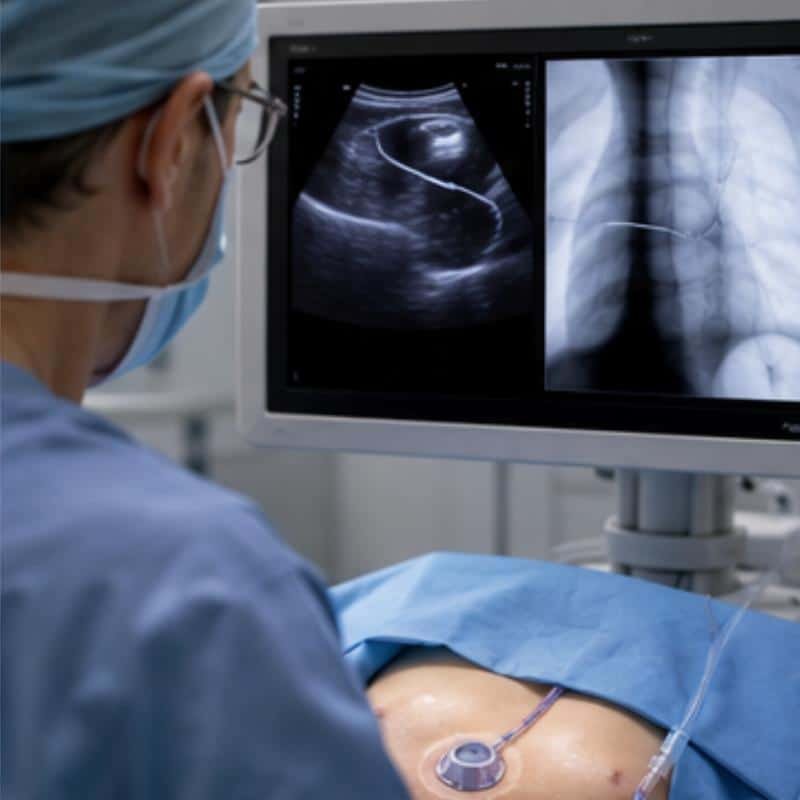
Port Placement Procedure

The procedure involves:

  1. Cleaning and sterilizing the area.
  2. Creating a small incision below the collarbone.
  3. Inserting the catheter into a large vein.
  4. Positioning the catheter tip appropriately.
  5. Placing the port chamber beneath the skin.
  6. Connecting the catheter to the port.
  7. Confirming proper placement.
  8. Closing the incision.

The entire procedure generally takes less than an hour.

  • Common Sites for ChemoPort Placement

Most commonly, the port is placed:

  • Below the collarbone (chest wall)
  • On the right side of the chest
  • Occasionally on the left side depending on individual factors

The location is selected for safety and convenience.


What Happens After ChemoPort Insertion?

Most patients can return home on the same day or shortly after the procedure.

After insertion:

  • Mild soreness may occur temporarily.
  • The incision heals within a few days.
  • The port can usually be used shortly after placement.

Detailed care instructions are provided.

Caring for a ChemoPort

Proper maintenance is important.

Recommendations include:

  • Keeping follow-up appointments
  • Routine flushing of the port
  • Monitoring for signs of infection
  • Avoiding unnecessary trauma to the area

When maintained properly, ports function safely for extended periods.


Can Daily Activities Continue with a ChemoPort?

Yes.

Most patients can:

  • Walk normally
  • Perform household activities
  • Travel
  • Continue office work
  • Exercise after medical clearance

The port is completely implanted beneath the skin and generally does not interfere with daily life.

Possible Risks and Complications

Although generally safe, potential complications include:

  • Infection
  • Bleeding
  • Catheter blockage
  • Port malfunction
  • Blood clots
  • Rare catheter displacement

Careful surgical technique and proper maintenance significantly reduce these risks.

  • Removal of a ChemoPort

Once treatment is completed and the port is no longer needed, it can be removed through a simple minor procedure.

Removal is usually:

  • Quick
  • Safe
  • Performed under local anesthesia

Most patients recover immediately after removal.

Benefits of Choosing Early ChemoPort Placement

Early placement offers:

  • Easier chemotherapy administration
  • Reduced vein damage
  • Improved treatment compliance
  • Better patient comfort
  • Reduced treatment interruptions
  • Improved overall treatment experience
  • Why Choose Dr. Praveenkumar Surpur for ChemoPort Insertion in Solapur?

Dr. Praveenkumar Surpur provides safe and precise ChemoPort placement using modern surgical techniques and evidence-based oncology care.

Highlights of Care

Frequently Asked Questions

A ChemoPort is a small implantable device placed under the skin that provides long-term access to a large vein for chemotherapy and other intravenous treatments.

The procedure is usually performed under local anesthesia, and most patients experience minimal discomfort.

A ChemoPort can remain in place for several months or years depending on treatment requirements.

In many cases, the port can be used shortly after insertion, depending on clinical circumstances.

The port is placed beneath the skin and appears only as a small raised area on the chest.

After the incision has healed, most patients can shower normally. Specific instructions will be provided by your doctor.

Yes. It reduces repeated vein punctures and provides reliable long-term venous access.

Possible risks include infection, bleeding, clot formation, and catheter blockage, although these complications are uncommon.

Yes. Once treatment is completed, the port can be removed through a simple outpatient procedure.

Dr. Praveenkumar Surpur provides expert ChemoPort Insertion and comprehensive oncology care at Yashodhara Super Speciality Hospital, Solapur.

Disclaimer: Results and patient experiences may vary. These are dependent on a number of factors including age, medical history, lifestyle and more.

If you are scheduled to receive chemotherapy, targeted therapy, immunotherapy, or prolonged intravenous treatment, a ChemoPort can make your treatment journey significantly more comfortable.

Consult Dr. Praveenkumar Surpur for expert ChemoPort Insertion in Solapur and receive reliable long-term venous access for your cancer treatment.

Yashodhara Super Speciality Hospital, Solapur

Call Now to Schedule Your Consultation

Early Detection • Advanced Surgery • Better Outcomes
Untitled design - 2026-06-19T112116.307
Breast Cancer Surgery
Advanced surgical treatment for breast cancer focused on effective tumor removal, improved outcomes, and personalized patient care.

Untitled design - 2026-06-19T112857.795
Breast Conservation Surgery (BCS)
A breast-preserving surgical procedure that removes the cancer while maintaining the natural appearance of the breast whenever possible.

Untitled design - 2026-06-19T154100.190
Modified Radical Mastectomy
A surgical procedure that removes the entire breast along with nearby lymph nodes to effectively treat and control breast cancer.
Untitled design - 2026-06-20T150257.108
Sentinel Lymph Node Biopsy
A minimally invasive procedure used to determine whether cancer has spread to the nearest lymph nodes, helping guide accurate treatment decisions.

Untitled design - 2026-06-20T163004.814
Oncoplastic Breast Surgery
An advanced breast cancer surgery that combines effective tumor removal with cosmetic reconstruction to preserve the breast’s natural shape and appearance.
Untitled design - 2026-06-21T084155.500
Spondylolisthesis Management
Comprehensive treatment for spinal vertebral slippage focused on relieving pain, improving stability, and restoring mobility.
Untitled design - 2026-06-21T095008.617
Colon Cancer Surgery
Advanced surgical treatment for colon cancer focused on removing cancerous tissue, preserving bowel function, and improving long-term outcomes.
Untitled design - 2026-06-21T121441.419
Rectal Cancer Surgery
Advanced surgical treatment for rectal cancer focused on complete tumor removal, preserving bowel function, and improving long-term patient outcomes.
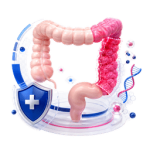
Untitled design - 2026-06-21T142850.489
Hemicolectomy Surgery
A specialized surgical procedure that removes the cancer-affected portion of the colon while preserving healthy bowel function and digestive continuity.

Untitled design - 2026-06-22T064916.511
Total Colectomy
A major surgical procedure that removes the entire colon to treat advanced colorectal diseases while restoring digestive function as effectively as possible.
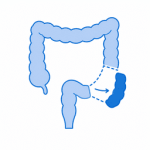
Untitled design - 2026-06-22T134735.924
Anterior Resection for Rectal Cancer
A specialized surgical procedure to remove cancerous tissue from the rectum while preserving normal bowel function whenever possible.
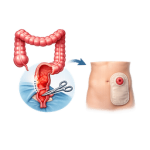
Untitled design - 2026-06-22T164503.940
Abdominoperineal Resection (APR)
A surgical procedure that removes the rectum and anus to treat advanced rectal cancer, creating a permanent colostomy for waste elimination.
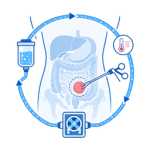
Untitled design - 2026-06-22T183133.399
Cytoreductive Surgery (CRS) with HIPEC
An advanced cancer treatment that removes visible tumors and uses heated chemotherapy inside the abdomen to destroy remaining cancer cells.

Untitled design - 2026-06-23T062359.469
Pancreatic Cancer Surgery (Whipple Procedure)
A complex surgical procedure that removes cancer from the pancreas along with nearby affected organs to improve treatment outcomes and survival.

Untitled design - 2026-06-23T072935.494
Oral Cancer Surgery
A specialized surgical procedure to remove cancerous tissue from the mouth while preserving essential functions such as speech, swallowing, and appearance whenever possible.
Untitled design - 2026-06-23T112839.674
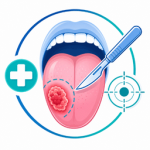
Tongue Cancer Surgery
A specialized surgical procedure to remove cancerous tissue from the tongue while preserving speech, swallowing, and oral function whenever possible.

Untitled design - 2026-06-24T084135.122
Head and Neck Cancer Surgery
A specialized surgical procedure to remove cancerous tumors from the head and neck region while preserving vital functions such as speaking, swallowing, breathing, and appearance whenever possible.

ChatGPT Image Jun 24, 2026, 12_20_29 PM
Neck Dissection Surgery
A specialized surgical procedure to remove cancer-affected lymph nodes in the neck and help prevent the spread of head and neck cancers.

Untitled design - 2026-06-24T110212.801
Thyroid Cancer Surgery
A specialized surgical procedure to remove cancerous thyroid tissue and help prevent the spread of thyroid cancer while preserving essential neck functions whenever possible.

Untitled design - 2026-06-24T113022.756
Cervical Cancer Surgery
A specialized surgical procedure to remove cancerous tissue from the cervix and surrounding affected areas while preserving reproductive and pelvic functions whenever possible.

Untitled design - 2026-06-24T123139.563
Radical Hysterectomy
A specialized surgical procedure that removes the uterus, cervix, and surrounding tissues to treat cervical cancer and other advanced gynecologic cancers.

Untitled design - 2026-06-24T141140.892
Ovarian Cancer Surgery
A specialized surgical procedure to remove cancerous ovarian tissue and affected areas, helping prevent the spread of cancer and improve treatment outcomes.

Untitled design - 2026-06-24T151733.429
Endometrial (Uterine) Cancer Surgery
A specialized surgical procedure to remove cancerous tissue from the uterus and surrounding affected areas, helping prevent the spread of cancer and improve long-term outcomes.
Untitled design - 2026-06-24T222857.236
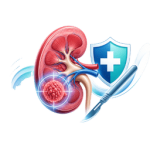
Kidney Cancer Surgery
A specialized surgical procedure to remove cancerous kidney tissue while preserving as much healthy kidney function as possible and preventing the spread of cancer.

Untitled design - 2026-06-25T070305.701
Bladder Cancer Surgery
A specialized surgical procedure to remove cancerous tissue from the bladder while preserving urinary function whenever possible and preventing the spread of cancer.
Untitled design - 2026-06-25T080853.051
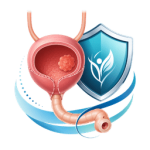
Radical Cystectomy
A major surgical procedure that removes the urinary bladder and nearby affected tissues to treat advanced bladder cancer and prevent its spread.

Untitled design - 2026-06-25T114331.263
Prostate Cancer Surgery
A specialized surgical procedure to remove cancerous prostate tissue, helping eliminate cancer while preserving urinary and sexual function whenever possible.
Untitled design - 2026-06-25T140723.343
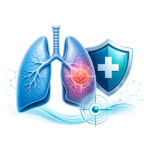
Lung Cancer Surgery
A specialized surgical procedure to remove cancerous kidney tissue while preserving as much healthy kidney function as possible and preventing the spread of cancer.
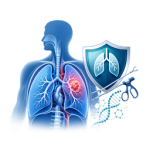
Untitled design - 2026-06-26T115657.265
Thoracic Tumor Surgery
A specialized surgical procedure to remove tumors from the chest cavity while preserving healthy organs and improving long-term treatment outcomes.

Untitled design - 2026-06-26T160713.147
Soft Tissue Sarcoma Surgery
A specialized surgical procedure to remove soft tissue sarcomas while preserving healthy muscles, nerves, and surrounding structures whenever possible.
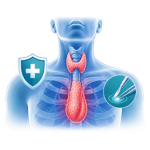
Untitled design - 2026-06-27T081202.599
Retrosternal Goiter Surgery
A specialized surgical procedure to remove an enlarged thyroid gland extending into the chest, relieving pressure on the airway and surrounding structures.
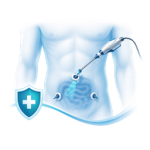
Untitled design - 2026-06-27T082443.232
Laparoscopic Cancer Surgery
A minimally invasive surgical procedure that removes cancerous tissue through small incisions, promoting faster recovery, less pain, and reduced scarring.
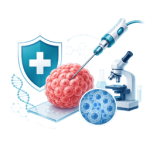
Untitled design - 2026-06-27T084914.085
Cancer Biopsy Services
Advanced diagnostic procedures to collect and analyze tissue samples for the accurate detection, diagnosis, and treatment planning of cancer.
Untitled design - 2026-06-27T091112.704
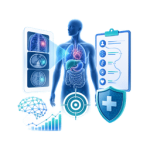
Cancer Staging & Treatment Planning
A comprehensive evaluation process that determines the extent of cancer and develops a personalized treatment plan for the best possible outcomes.
Untitled design - 2026-06-27T093222.518
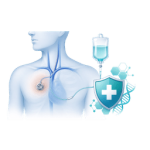
ChemoPort insertion
A minimally invasive procedure to implant a small vascular access port for the safe and comfortable delivery of chemotherapy and other intravenous treatments.

Untitled design - 2026-06-27T100113.837
Multidisciplinary cancer care
A collaborative approach where specialists from multiple medical disciplines work together to create a personalized and comprehensive cancer treatment plan.

Untitled design - 2026-06-27T102237.579
Chemotherapy
A systemic cancer treatment that uses powerful anti-cancer medications to destroy cancer cells, slow their growth, and reduce the risk of spread throughout the body.

Untitled design - 2026-06-27T104918.652
Targeted therapy and immunotherapy
Advanced cancer treatments that precisely target cancer cells or strengthen the body's immune system to fight cancer while minimizing damage to healthy tissues.