
Table of Contents
Oral cancer is one of the most common cancers affecting people in India. Early diagnosis plays an important role because treatment is often more effective when cancer is identified at an early stage.
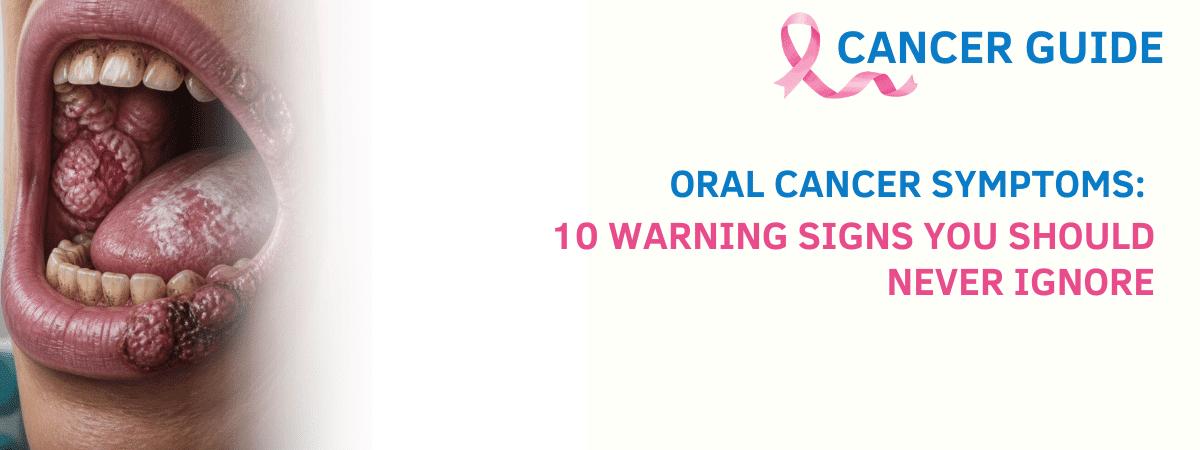
Unfortunately, many people ignore the initial symptoms. A mouth ulcer that does not heal, a lump inside the mouth, difficulty swallowing, or persistent pain may appear harmless in the beginning. However, in some cases, these signs may require further medical evaluation.
Understanding the warning signs can help patients seek timely treatment and make informed decisions about their health.
If you are searching for a Cancer Specialist in Solapur, Dr. Praveenkumar Surpur, Consultant Surgical Oncologist at Yashodhara Super Speciality Hospital, provides comprehensive diagnosis, treatment planning, and surgical management for various cancers, including oral and head-and-neck cancers.
What Is Oral Cancer?
Oral cancer is a type of cancer that develops in different parts of the mouth, including the:
- Tongue
- Lips
- Gums
- Inner lining of the cheeks
- Floor of the mouth
- Hard palate
- Soft palate
Oral cancer belongs to the larger group of head and neck cancers.
You can learn more about oral cancer surgery
You can also read about tongue cancer surgery
Why Early Detection Matters
Many patients delay seeking medical attention because they assume the symptoms will disappear on their own.
Unfortunately, delaying treatment may allow the disease to progress further.
Early diagnosis may help:
- Improve treatment outcomes
- Reduce complications
- Increase treatment options
- Preserve speech and swallowing function
- Improve quality of life
That is why recognizing Oral Cancer Symptoms is extremely important.
Who Is at Greater Risk of Developing Oral Cancer?
Certain factors can increase the likelihood of developing oral cancer.
These include:
- Tobacco chewing
- Smoking
- Gutka consumption
- Betel nut consumption
- Excessive alcohol consumption
- Poor oral hygiene
- Human papillomavirus (HPV) infection
- Long-term irritation inside the mouth
- Family history of cancer
- Increasing age
In Maharashtra and neighboring regions, tobacco use remains one of the leading risk factors.
10 Oral Cancer Symptoms You Should Never Ignore
1. A Mouth Ulcer That Does Not Heal
Mouth ulcers are common and are usually harmless.
However, an ulcer that does not heal within two to three weeks should never be ignored.
Warning signs include:
- Persistent pain
- Bleeding
- Thickened edges
- Difficulty eating
- Increasing size of the ulcer
A non-healing ulcer is one of the most frequently reported Mouth Cancer Symptoms.
2. White Patches Inside the Mouth
White patches, medically known as leukoplakia, may appear on the:
- Tongue
- Gums
- Cheeks
- Floor of the mouth
These patches are not always cancerous, but some cases may develop into cancer over time.
Early evaluation is important.
3. Red Patches Inside the Mouth
Red patches, called erythroplakia, can sometimes indicate abnormal changes in the cells lining the mouth.
Symptoms may include:
- Pain
- Burning sensation
- Tenderness
- Difficulty eating spicy foods
Any persistent red patch should be examined by a specialist.
4. A Lump or Thickening Inside the Mouth
An unexplained lump inside the mouth may require immediate evaluation.
The lump may appear in the:
- Tongue
- Lips
- Cheeks
- Gums
- Floor of the mouth
The presence of a lump does not necessarily indicate cancer, but further investigation may be necessary.
5. Persistent Pain in the Mouth or Tongue
Occasional discomfort is common.
However, pain that persists for weeks should not be ignored.
The pain may:
- Spread toward the jaw
- Worsen during chewing
- Cause difficulty speaking
- Interfere with swallowing
Patients experiencing these symptoms are often referred for further evaluation, including a Cancer Biopsy if necessary.
Learn more about cancer biopsy services
How Is Oral Cancer Diagnosed?
Diagnosis usually begins with a detailed medical history and physical examination.
The doctor may evaluate:
- The size of the lesion
- The location of the abnormality
- Nearby lymph nodes
- Risk factors
- Duration of symptoms
Further investigations may include:
- Endoscopy
- Imaging studies
- Blood tests
- Biopsy
- Pathological evaluation
You can also read the detailed guide here:
What Is the Role of a Cancer Biopsy?
A biopsy is one of the most important steps in diagnosing oral cancer.
During this procedure, the doctor removes a small sample of tissue from the suspicious area.
The sample is then examined under a microscope.
The biopsy helps determine:
- Whether cancer is present
- The type of cancer
- The characteristics of the tumor
- The next steps in treatment planning
How Is Cancer Staging Performed?
After diagnosis, doctors determine the extent of the disease.
This process is known as staging.
Staging helps doctors understand:
- Tumor size
- Lymph node involvement
- Spread of cancer
- Appropriate treatment options
You can read more about cancer staging
Oral Cancer and Tongue Cancer
The tongue is one of the most common sites affected by oral cancer.
Symptoms may include:
- Pain
- Difficulty speaking
- Difficulty swallowing
- Bleeding
- Persistent ulcers
Patients requiring specialized treatment can learn more about tongue cancer surgery
When Should You Consult a Specialist?
You should seek medical attention if symptoms persist for more than two weeks.
Early diagnosis can make a significant difference in treatment planning.
Consider consulting a specialist if you experience:
- Persistent ulcers
- Difficulty swallowing
- Painful chewing
- Neck swelling
- White patches
- Red patches
- Unexplained bleeding
6. Difficulty Swallowing (Dysphagia)
Difficulty swallowing is another symptom that should never be ignored.
Many patients initially assume that the problem is related to acidity, throat infections, or dental issues. However, persistent difficulty swallowing can sometimes indicate oral cancer or another head-and-neck condition.
You may notice:
- Pain while swallowing
- A sensation that food is stuck in the throat
- Difficulty chewing food
- Frequent choking episodes
- Discomfort while drinking liquids
If these symptoms continue for several weeks, medical evaluation is strongly recommended.
7. Difficulty Speaking
Changes in speech can occur when cancer affects the tongue, jaw, or surrounding structures.
Patients may experience:
- Slurred speech
- Difficulty pronouncing certain words
- Hoarseness of voice
- Reduced tongue movement
- Persistent throat discomfort
Because the tongue plays an important role in speech, even small abnormalities can affect communication.
8. Persistent Bleeding from the Mouth
Occasional bleeding from the gums may occur because of poor oral hygiene.
However, persistent or unexplained bleeding should always be investigated.
Possible warning signs include:
- Bleeding while eating
- Bleeding without injury
- Bleeding associated with mouth ulcers
- Blood in saliva
Although these symptoms do not always indicate cancer, they should not be ignored.
9. Loose Teeth Without an Obvious Cause
Oral cancer can sometimes affect the supporting structures around the teeth.
You should consult a specialist if you notice:
- Teeth becoming loose
- Pain in the jaw
- Difficulty chewing
- Swelling around the gums
Patients often overlook these symptoms because they believe they are related only to dental problems.
10. A Lump in the Neck
The presence of a lump in the neck is an important warning sign.
This may happen when nearby lymph nodes become enlarged.
Possible symptoms include:
- Swelling in the neck
- Pain
- Difficulty swallowing
- Reduced neck movement
Treatment planning may involve specialized procedures such as neck dissection surgery.
You can read more here:
Conditions That Can Mimic Oral Cancer Symptoms
Not every mouth problem indicates cancer.
Several conditions may produce similar symptoms.
These include:
- Mouth ulcers
- Fungal infections
- Viral infections
- Gum disease
- Trauma caused by dentures
- Nutritional deficiencies
This is one of the reasons why self-diagnosis should be avoided.
Only a qualified specialist can determine the exact cause of the problem.
How Is Oral Cancer Diagnosed?
Diagnosing oral cancer usually involves several steps.
Clinical Examination
Your doctor may examine:
- The tongue
- Gums
- Lips
- Palate
- Lymph nodes
- Neck region
Imaging Tests
Imaging studies help doctors understand the extent of the disease.
Common investigations include:
- CT scan
- MRI scan
- PET scan
- Ultrasound
Biopsy
A biopsy remains one of the most important diagnostic procedures.
During a biopsy, a tissue sample is collected and examined under a microscope.
You can learn more here: Cancer Biopsy Services
You can also read the complete guide here: Cancer Biopsy Explained
Cancer Staging
Cancer staging allows doctors to understand the extent of the disease.
Doctors may evaluate:
- Tumor size
- Lymph node involvement
- Spread to other organs
- Overall health condition
Learn more here: Cancer Staging and Treatment Planning
Oral Cancer Treatment Options
The treatment approach depends on several factors, including:
- Tumor size
- Cancer stage
- Tumor location
- Overall health
- Age
- Previous treatment history
Surgery
Surgery is often an important component of treatment.
The primary goal is to remove the tumor while preserving normal function whenever possible.
Treatment options may include:
- Tumor removal
- Reconstruction
- Lymph node removal
- Neck dissection
Tongue Cancer Surgery
The treatment approach for tongue cancer varies depending on the location and size of the tumor.
Head and Neck Cancer Surgery
Some patients require comprehensive treatment involving multiple specialists.
More information is available here:
Chemotherapy
Chemotherapy uses medicines to destroy cancer cells.
It may be recommended:
- Before surgery
- After surgery
- Along with radiation therapy
- In advanced cases
Targeted Therapy and Immunotherapy
Modern cancer care often involves newer treatment approaches.
These therapies specifically target cancer cells while reducing damage to healthy tissues.
Multidisciplinary Cancer Care
Many patients benefit from coordinated treatment provided by a multidisciplinary team.
This team may include:
- Surgical oncologists
- Medical oncologists
- Radiologists
- Pathologists
- Nutrition specialists
- Rehabilitation experts
Recovery After Oral Cancer Surgery
Recovery varies from one person to another.
Several factors influence recovery, including:
- Type of surgery
- Stage of cancer
- Overall health
- Nutritional status
Recovery Tips
Maintain proper oral hygiene.
Follow your doctor’s instructions carefully.
Stop smoking and tobacco consumption.
Continuing tobacco use may increase the risk of complications.
Follow dietary recommendations.
Soft foods are often recommended during the recovery period.
Attend follow-up appointments regularly.
Regular monitoring helps doctors assess healing and recovery.
Stay physically active.
Light physical activity may improve overall well-being.
Can Oral Cancer Be Prevented?
Although it may not always be possible to prevent cancer completely, certain lifestyle changes may reduce the risk.
These include:
- Avoiding tobacco products
- Limiting alcohol consumption
- Maintaining good oral hygiene
- Eating a balanced diet
- Seeking prompt medical attention for persistent symptoms
- Attending regular dental check-ups
Why Early Diagnosis Is Important
Early diagnosis may help:
- Improve treatment outcomes.
- Preserve speech and swallowing abilities.
- Reduce complications.
- Increase treatment options.
- Improve quality of life.
Ignoring symptoms often leads to delayed diagnosis and treatment.
That is why every persistent symptom deserves medical attention.
When Should You Seek Medical Attention?
You should consult a specialist immediately if you notice:
- Difficulty chewing
- Persistent mouth pain
- Bleeding from the mouth
- Neck swelling
- Difficulty swallowing
- Changes in speech
- Unexplained weight loss
- Non-healing mouth ulcers
Prompt medical evaluation can help determine the cause and guide the next steps.
About Dr. Praveenkumar Surpur
Dr. Praveenkumar Surpur is a Consultant Surgical Oncologist specializing in the diagnosis and treatment of various cancers, including oral cancer, tongue cancer, and head-and-neck cancers.
His treatment philosophy emphasizes:
- Early diagnosis
- Evidence-based treatment
- Personalized care
- Advanced surgical techniques
- Multidisciplinary management
He practices at Yashodhara Super Speciality Hospital in Solapur.
Book an Appointment
If you are experiencing Oral Cancer Symptoms, do not delay seeking medical attention.
Dr. Praveenkumar Surpur offers comprehensive cancer evaluation and personalized treatment planning for patients in Solapur, Akkalkot, Pandharpur, Barshi, Tuljapur, Osmanabad, Vijayapura, Kalaburagi, and nearby regions.
Unit 1 : Sidheshwar Peth, Near Zilla Parishad, Solapur
Unit 2 : Solapur–Hyderabad Road, Near Market Yard, Solapur
FAQs
1. What are the earliest oral cancer symptoms?
Ans: The earliest oral cancer symptoms often include:
● A mouth ulcer that does not heal
● White or red patches inside the mouth
● Persistent pain
● Difficulty swallowing
● A lump in the mouth or neck
● Unexplained bleeding
If these symptoms persist for more than two weeks, it is advisable to consult a specialist.
2. Are all mouth ulcers cancerous?
Ans: No. Most mouth ulcers are not cancerous and may heal within a few days or weeks.
However, ulcers that do not heal, continue to bleed, or increase in size should be evaluated by a doctor.
3. What causes oral cancer?
Ans: Several factors may increase the risk of oral cancer, including:
● Tobacco use
● Smoking
● Alcohol consumption
● Human papillomavirus (HPV) infection
● Poor oral hygiene
● Family history of cancer
4. How is oral cancer diagnosed?
Ans: Doctors may recommend several tests, including:
● Physical examination
● Biopsy
● CT scan
● MRI scan
● PET scan
● Blood investigations
A biopsy is generally considered one of the most important tests for confirming the diagnosis.
5. Can oral cancer be cured?
Ans: Treatment outcomes depend on numerous factors, including:
● The stage of cancer
● The size of the tumor
● The patient’s overall health
● The response to treatment
Early diagnosis and timely treatment are extremely important.
